TMONO
Find real objects. Fill a virtual apartment. Our mobile AR game combines on-device AI, a neighborhood full of characters and a scavenger hunt for a macaque who needs your help.
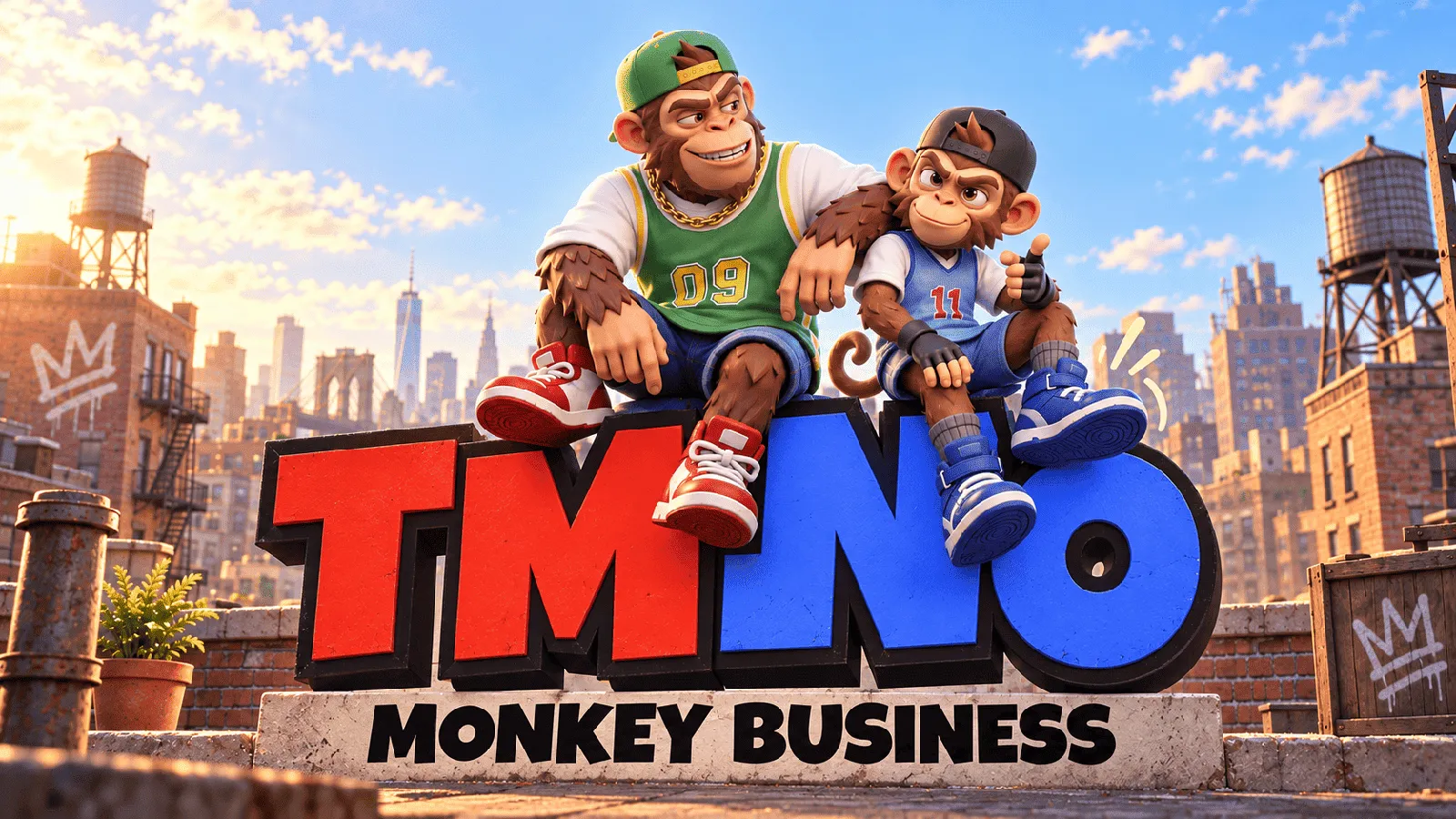
Find real objects. Fill a virtual apartment.
An AR game for kids that sends them out into the real world: find the objects the monkeys ask for, point the camera at them, and watch the apartment fill up.
TMONO runs on-device vision to recognise everyday things through the phone camera, and 3D characters that react to what you bring back. No markers, no downloads of extra packs: the game is the room you are standing in.
Find it in your world
The camera is part of the gameplay. YOLO object-detection and segmentation models identify objects and distinguish their shapes from the background, running directly on the phone through Unity Sentis. We schedule inference across frames and filter duplicate detections to balance recognition with mobile performance. Camera footage stays on the device, and missions favor objects the models recognize consistently.
Three characters. Plenty of opinions.
Teo guides the hunt, Phil challenges players to beat his ghost time, and Coco runs the thrift shop where finds can be traded and upgraded. Their dialogue carries the instructions: Teo encourages, Phil taunts and Coco deadpans. Procedural animation and audio-driven facial lip-sync bring their reactions into the game, connecting what the player finds with what the characters do next.
A shopping list with a purpose
Missions arrive as short lists: find the objects, scan them and bring the rewards back. Players earn XP with a speed bonus, while tiered hints help them along without a fail state. A modular mission system built with ScriptableObjects lets us assemble and extend the challenges, and persistent JSON save data keeps progress between sessions.
Step through to T-City
AR Foundation 6 connects plane detection and placement across ARKit and ARCore. Custom stencil shaders create portals between the player’s surroundings and virtual rooms. We built T-City in Blender and rendered it with Unity’s Universal Render Pipeline, carrying electric blue, sunset orange, brick and cream through its streets, interiors and sticker-inspired interface.